
Why Your PR Application Might Be Stronger Than You Think
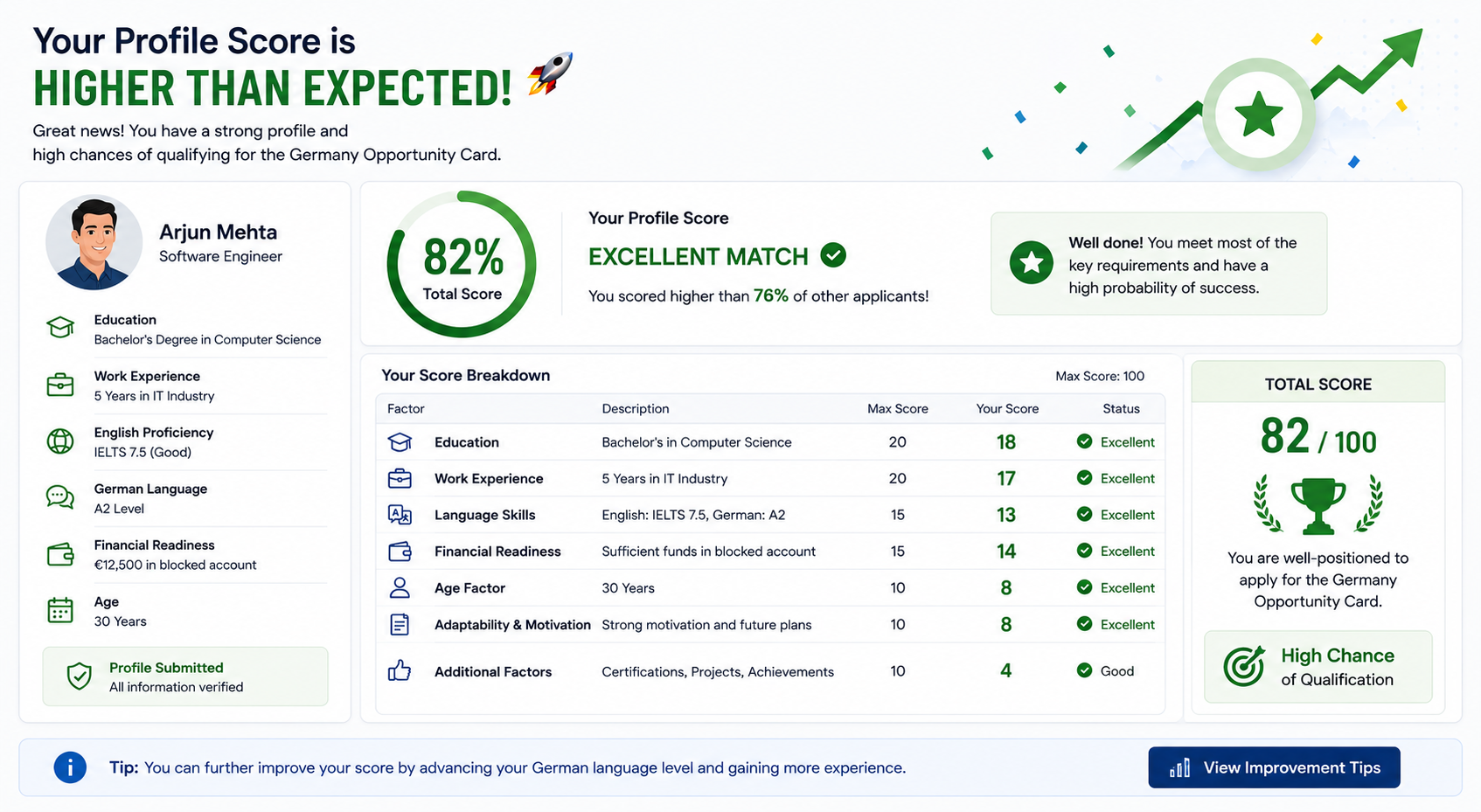
Many applicants underestimate their own PR eligibility. Whether it is overlooked work experience, undervalued education credentials, or language scores that qualify for more than one pathway, there are often hidden strengths in a profile that go unnoticed without a proper assessment.
Overview
Permanent Residency applications are evaluated across multiple factors simultaneously. A weakness in one area does not automatically disqualify you if other parts of your profile are strong. Understanding how different elements interact can completely change how you view your chances.
This article breaks down what immigration consultants look for when reviewing a PR profile and why your application may already be more competitive than you assume.
Key Eligibility Requirements
Most PR pathways assess applicants across a combination of the following factors:
- Age: Younger applicants typically receive higher points, but mature applicants with strong experience profiles can still qualify
- Education: Degrees, diplomas, and trade qualifications all carry weight, especially when formally assessed
- Work Experience: Both overseas and local experience can contribute, depending on the pathway
- Language Proficiency: Higher test scores often open access to additional visa subclasses or bonus points
- Skilled Occupation: Being on an eligible occupation list is a starting requirement for many skilled visa categories
- Spouse or Partner Profile: In some systems, a partner's skills, age, or language ability can add points to your application
- State or Provincial Nomination: Nomination from a regional authority can significantly boost an application
Application Process
A general PR application follows these broad steps:
- Profile Assessment: Have your qualifications, experience, and language scores evaluated by a registered immigration consultant
- Skills Assessment: Submit your credentials to the relevant assessing authority for your nominated occupation
- Expression of Interest or Profile Submission: Enter your details into the relevant immigration selection system
- Invitation or Nomination: Receive an invitation to apply or a nomination from a state, province, or employer
- Lodge Formal Application: Submit your full visa application with all supporting documents
- Biometrics and Medical Examination: Complete health and identity checks as required
- Decision: Await the outcome from the immigration authority
Required Documents
While document requirements vary by country and visa type, the following are commonly needed:
- Valid passport and travel history records
- Educational certificates and transcripts
- Skills assessment outcome letter
- Language test results (IELTS, PTE, or equivalent)
- Employment reference letters with detailed job duties
- Pay slips or tax records to verify work history
- Police clearance certificates
- Medical examination results
- Proof of relationship status (if applicable)
- State or provincial nomination letter (if applicable)
Benefits and Limitations
Benefits
- Permanent status provides long-term security and stability
- Access to public services including healthcare and education in many countries
- Freedom to work in any occupation without employer sponsorship
- Pathway to citizenship after meeting residency requirements
- Ability to sponsor eligible family members in many cases
- Multiple entry and exit rights without visa restrictions
Limitations
- Processing times can vary significantly and are outside the applicant's control
- Skills assessments may not recognise all overseas qualifications equally
- Some occupations face higher competition or lower invitation rates
- Residency obligations must be maintained after PR is granted
- Changes in immigration policy can affect selection criteria over time
Common Mistakes to Avoid
These errors are frequently seen in PR applications and can easily be avoided:
- Underreporting work experience: Not listing part-time, contract, or freelance roles that may count toward eligibility
- Skipping a professional profile review: Assuming a low score without having it properly assessed by an expert
- Choosing the wrong occupation code: Selecting an occupation that does not accurately reflect your duties can lead to a failed skills assessment
- Ignoring secondary pathways: Focusing only on one visa subclass when alternative routes may be more suitable
- Submitting incomplete documents: Missing a single document can delay or impact the outcome of your application
- Not updating your expression of interest: Failing to refresh your profile after completing new work or study can cost you valuable points
- Overlooking partner points: Not including a partner's skills or language scores where the system allows it
Frequently Asked Questions
Can I apply for PR if my points score is not very high?
Points-based systems consider multiple factors together. A lower score in one area may be balanced by strengths elsewhere. A professional assessment will give you a clearer picture of where you actually stand and which pathways suit your profile best.
Does overseas work experience count toward PR eligibility?
In many immigration systems, overseas skilled work experience does count, though the recognition and points value can differ from locally gained experience. The key is that the experience must align with your nominated occupation and be properly documented.
What if my occupation is not on the skilled occupation list?
Occupation lists are reviewed periodically by governments. If your current occupation is not listed, a consultant can assess whether a closely related occupation code applies or whether an employer-sponsored or regional pathway may be available to you.
How long does a PR application typically take to process?
Processing times vary depending on the country, visa subclass, volume of applications, and completeness of your submission. It is best to check current processing timeframes directly with the relevant immigration authority or consult a registered adviser for guidance.
Can my spouse or partner's profile improve my PR application?
In several immigration systems, including points-based frameworks, a partner's age, skilled occupation, language proficiency, or education can contribute additional points to your combined application. This is an area that many applicants overlook during self-assessment.
How Visas Avenue Can Help
Visas Avenue offers professional immigration assessments conducted by registered consultants who review your full profile across multiple visa pathways. Rather than a generic eligibility check, you receive a detailed analysis of your strengths, gaps, and the most suitable routes available to you.
Contact the Visas Avenue team today to book your profile assessment and find out exactly where you stand.
Conclusion
A PR application is rarely as weak as it first appears. With the right guidance, many applicants discover eligibility they were not aware of, whether through an alternate visa pathway, overlooked experience, or a partner's qualifying profile. The first step is always an honest, thorough assessment from a qualified professional.



Anusha V. Ramani
A group of diligent team members I must say! Very prompt and thorough in their job. Would...

Varun Thomas
Got our Canada PR done and I must say they are really professionals and they know what...

Vinay Upadhaya
Co-operative and Trained Staff to handhold you throughout the process. Mr.Vinay Upadhyay

Runzhun Gangrade
Great service and good support from the entire team. We had a great experience working...

Aakanksha Singh Chauhan
Thank you so much for your help Mrigya & Arpita. You keen sense of dedication to my...

Sanjeev Sharma
Very Professional Consultancy, which has actual meaningful escalation Matrix system for...